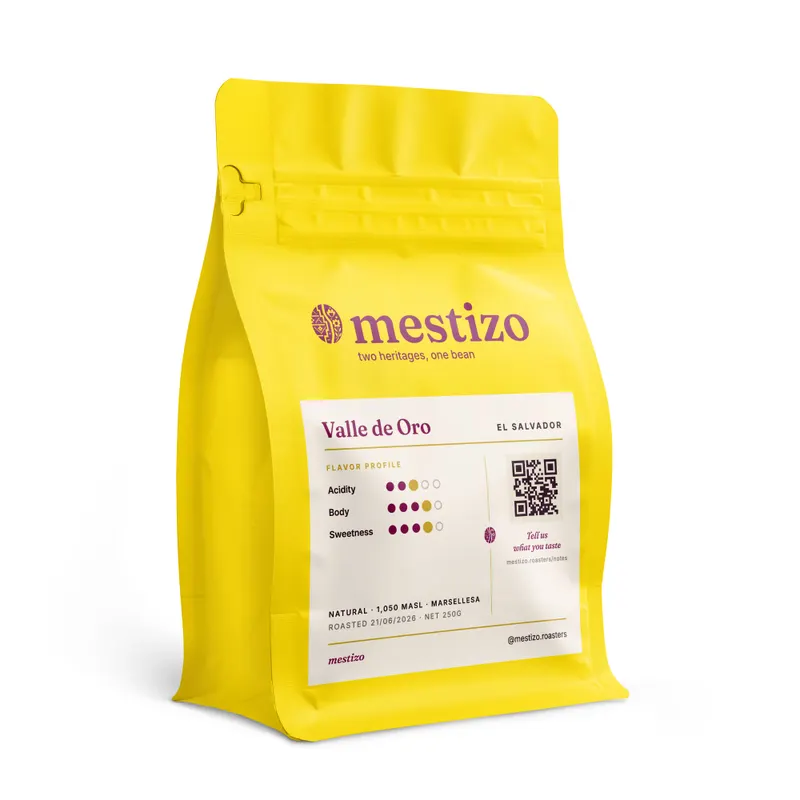
Valle de Oro Natural
El Salvador · Natural · 1,050 masl · Marsellesa · 250g
A very clean natural, chocolate and orange, almost none of the funk the process is known for.
AcidityAcidity: 3 out of 5
BodyBody: 4 out of 5
SweetnessSweetness: 4 out of 5
Every link in the chain is ours: the farm, the mill, the export, the roast. Here are the coffees, and here is how they are made.
See the coffeesOne farm, several ways of treating the cherry.
El Salvador · Natural · 1,050 masl · Marsellesa · 250g
A very clean natural, chocolate and orange, almost none of the funk the process is known for.
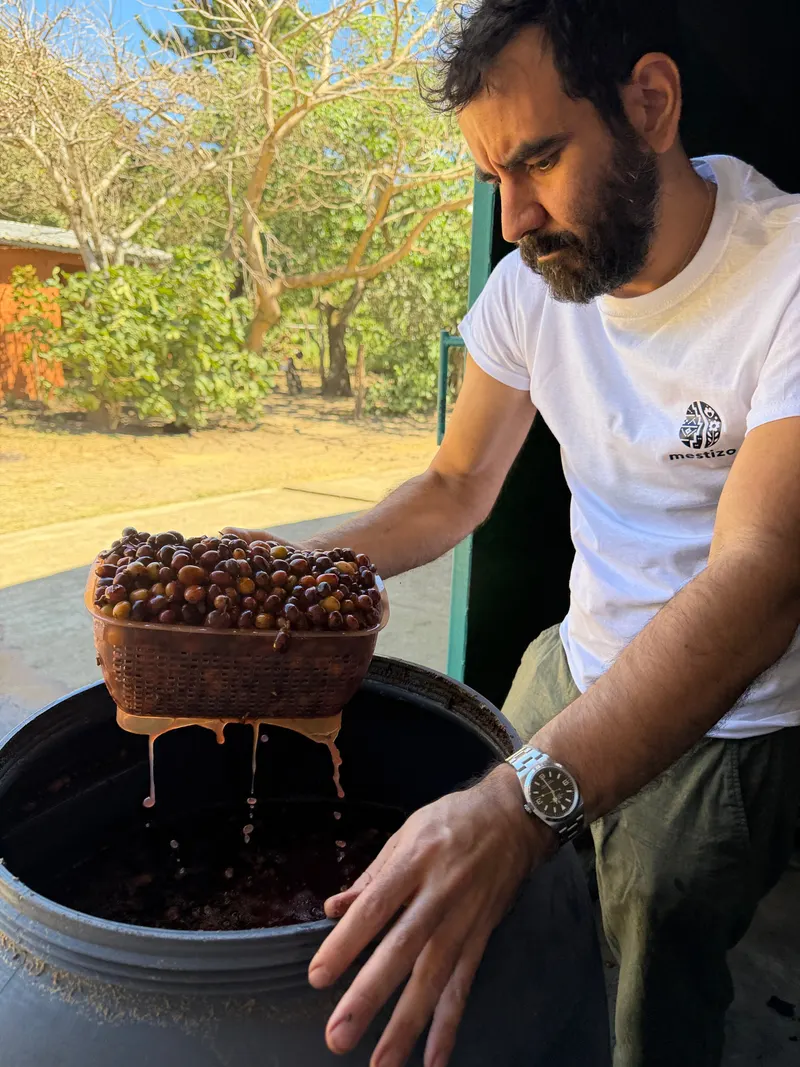
El Salvador · Barrel ferment in water, 24 h · 1,050 masl · Marsellesa · 3 × 80g
Intense chocolate. A barrel ferment in water for 24 hours.
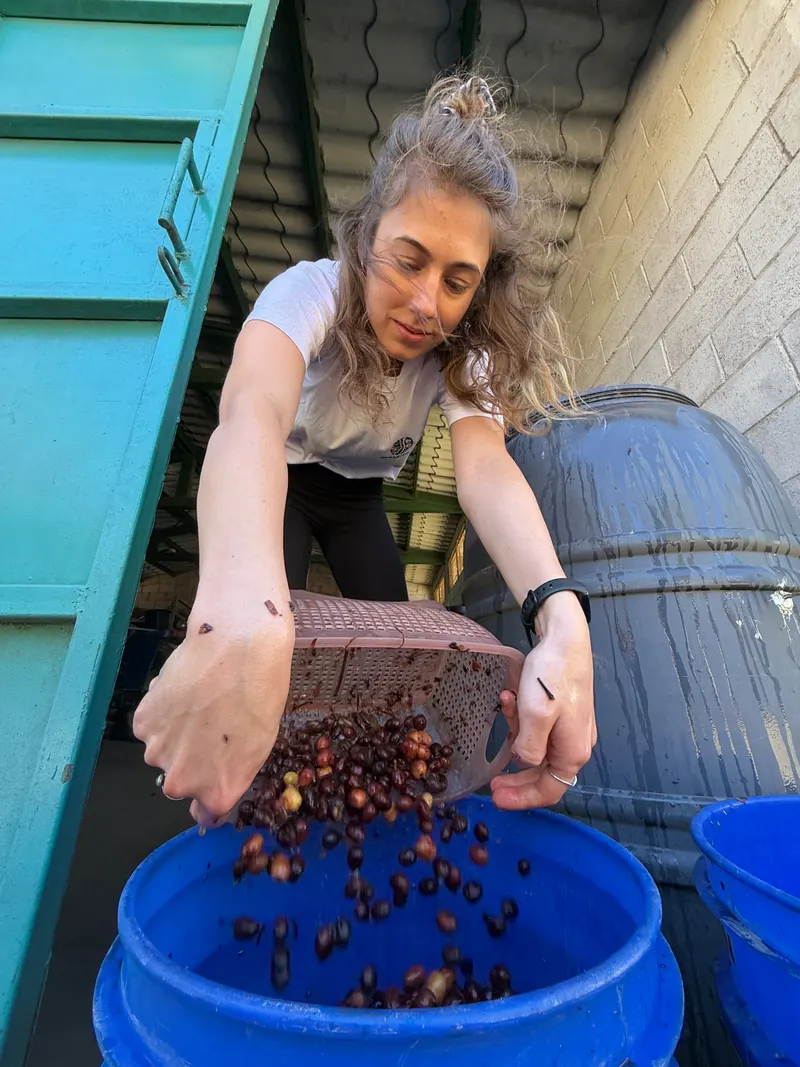
El Salvador · Barrel ferment in water, 48 h · 1,050 masl · Marsellesa · 3 × 80g
Ripe cherry. A barrel ferment in water for 48 hours.
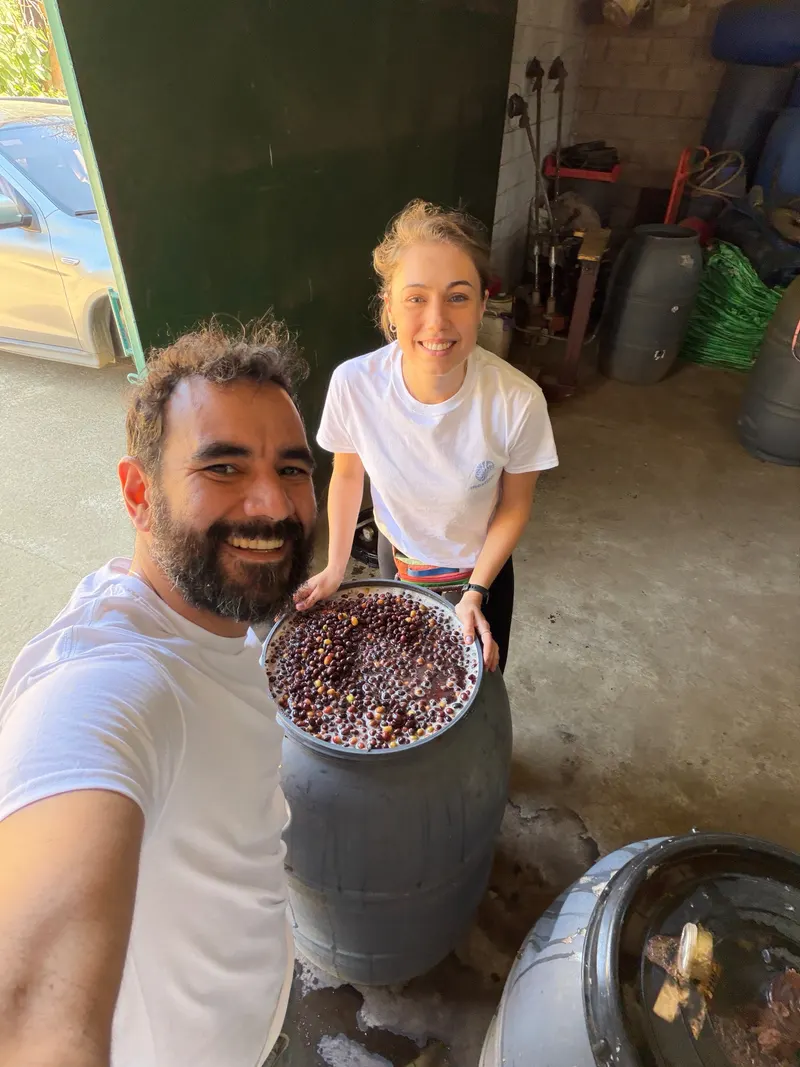
El Salvador · Barrel ferment in water, 48 h, blended farm bananas added · 1,050 masl · Marsellesa · 3 × 80g
Super fruity, loads of tropical fruit. Two days in water with blended farm bananas.
Most coffee travels through a chain of strangers: grower, mill, exporter, importer, roaster, and you taste every handoff. Ours has none. Five links, all of them ours, so we can maximise every part of the value chain and fine-tune it end to end.
Valle de Oro, San José de la Majada, Sonsonate, at 1,050 metres. Miguel owns it. Don Julio of Lean Coffee Management runs the agronomy and has for years. Marsellesa only, from seed bought at ECOM CRIAD in Nicaragua and a decade of in-house selection, with no herbicides and no pesticides.
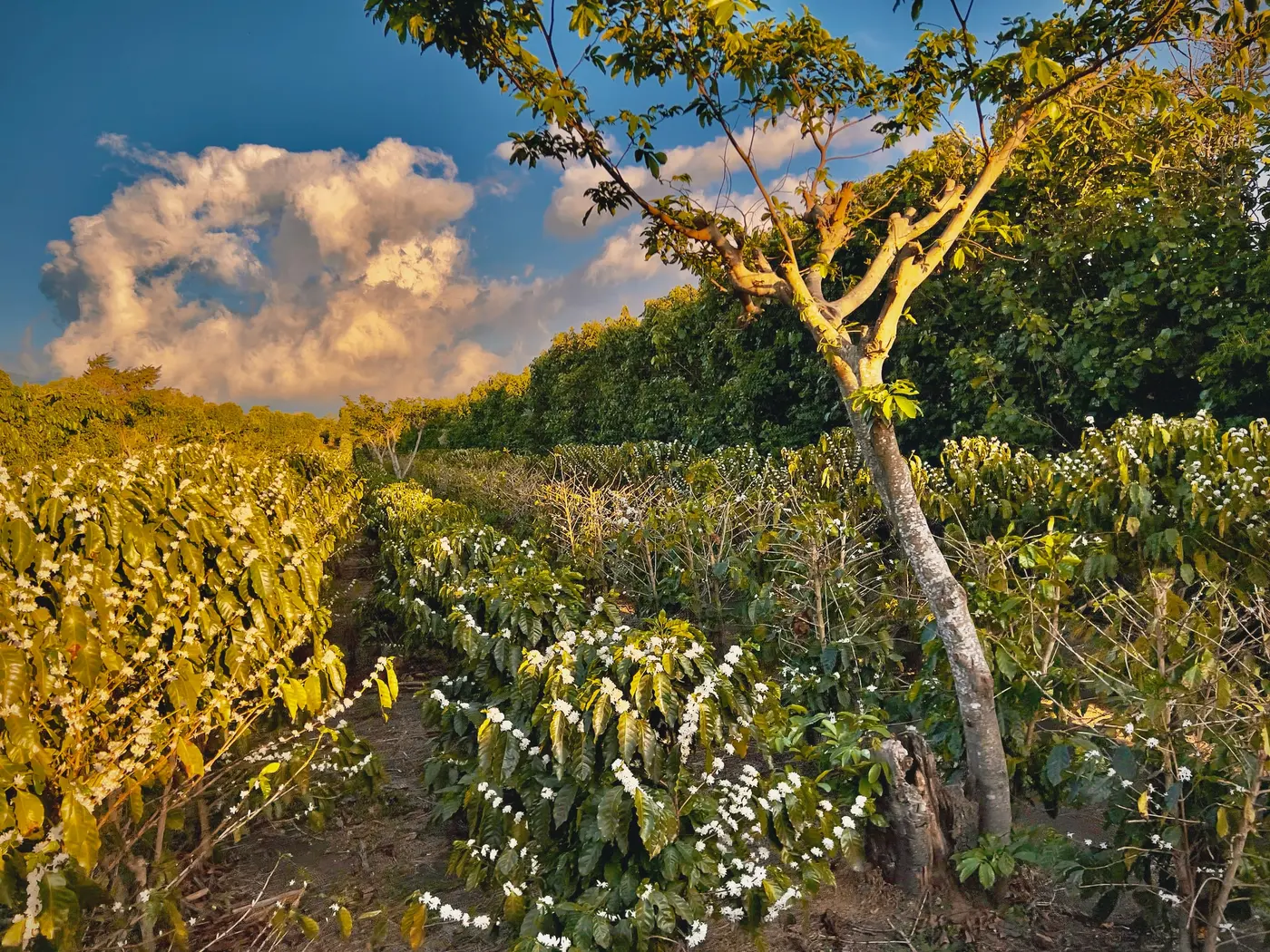
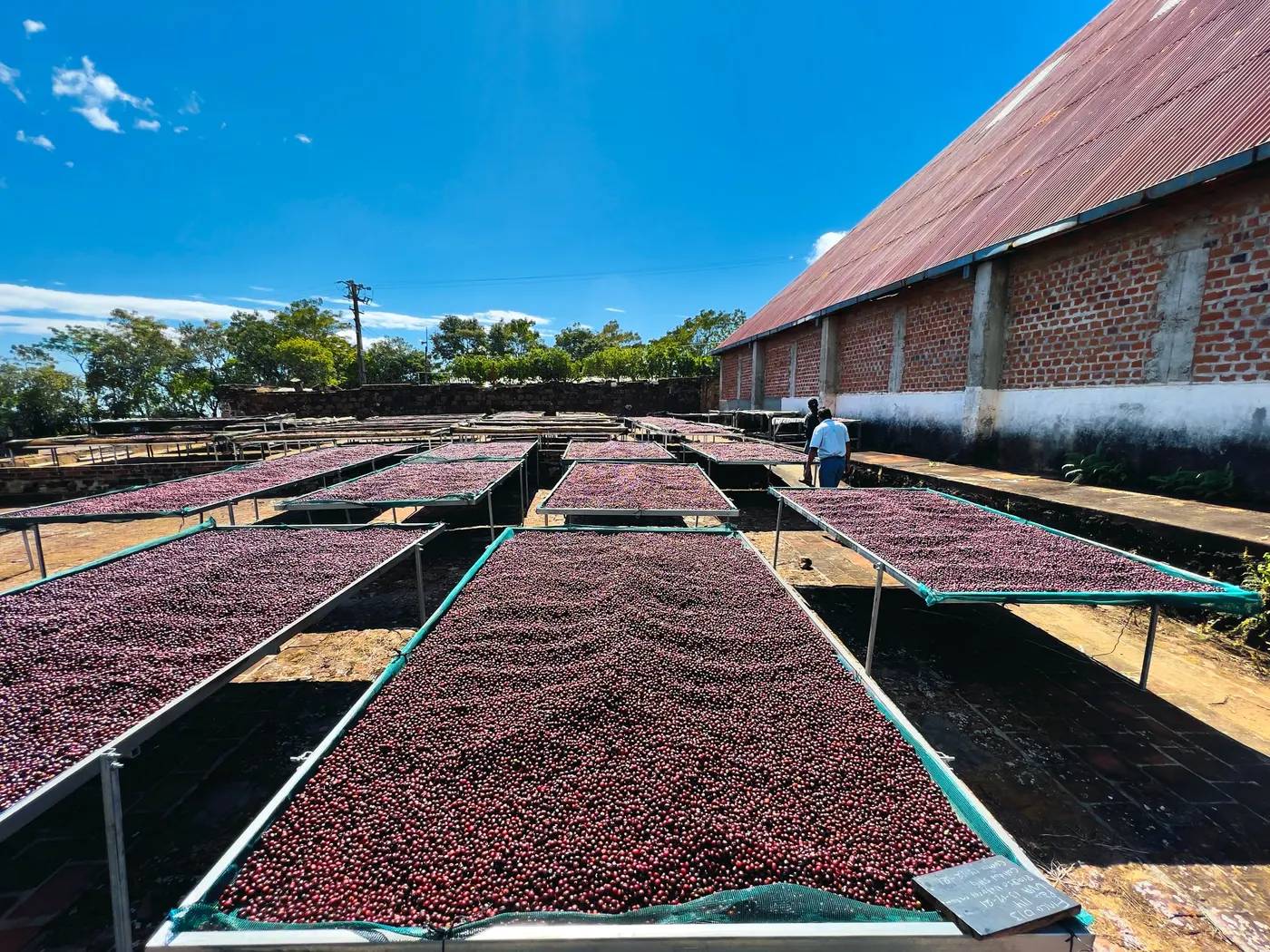
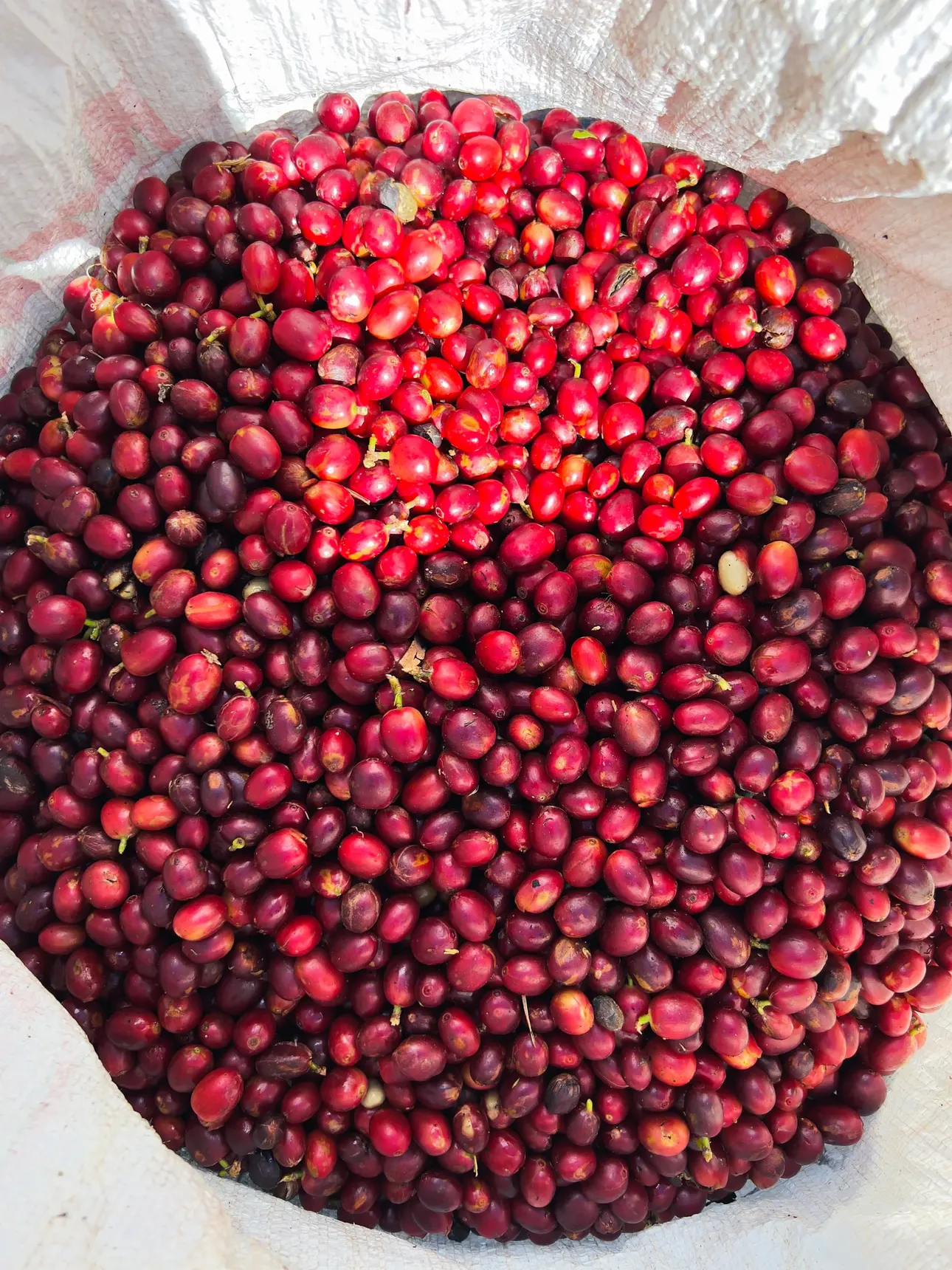
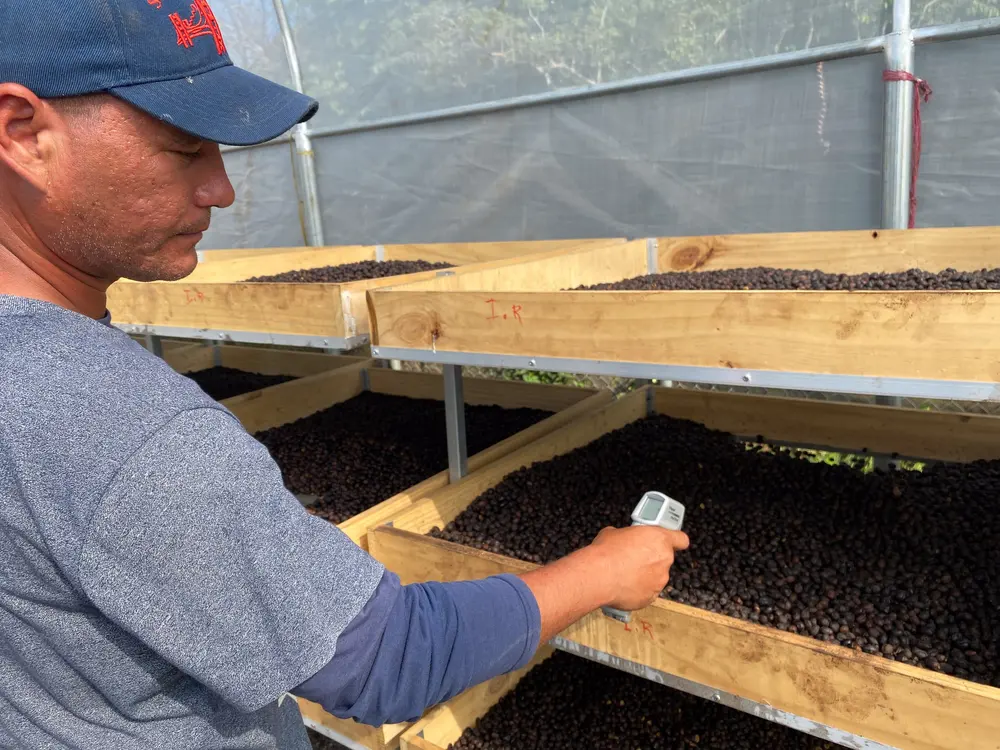
The natural starts before picking: cherries are read for sugar, and only the fully ripe come off the tree. They dry whole, in cherry, to ten or eleven per cent humidity. As the dry closes in, the coffee's own temperature is checked hourly, and every change is written down.
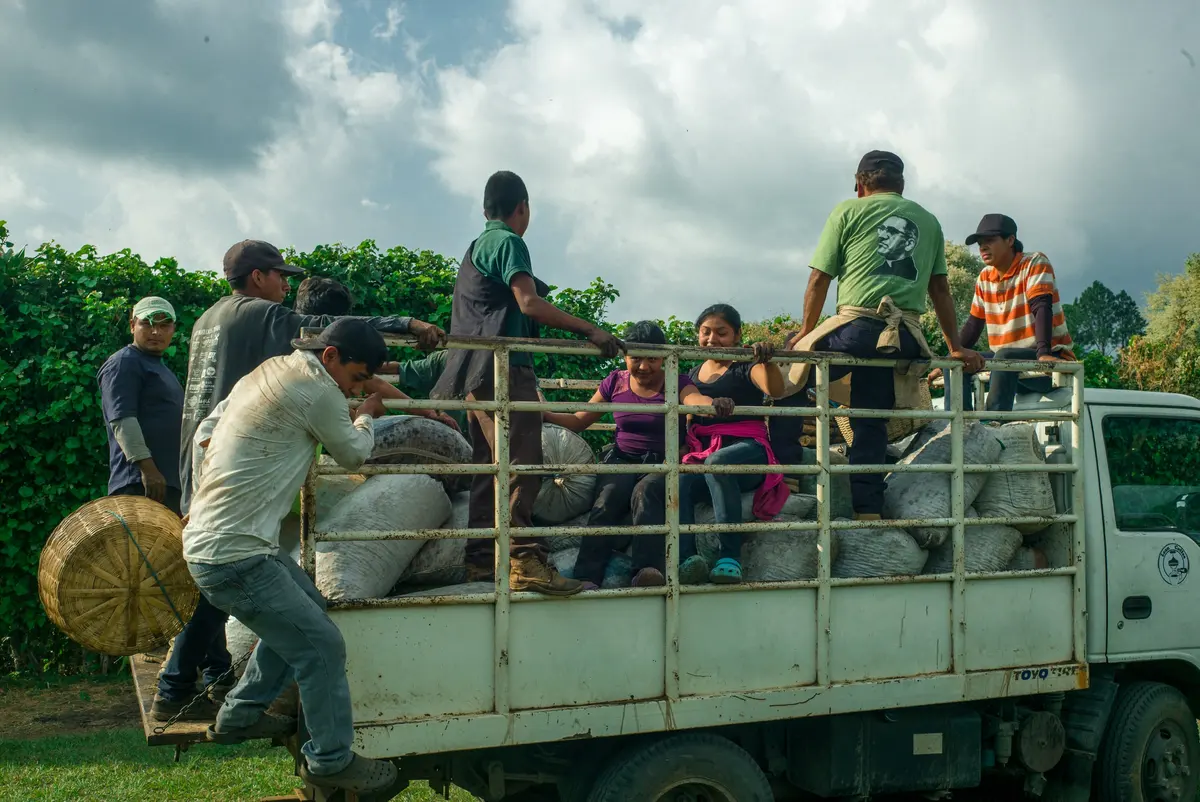
By MAVCOFFEE, the family company Miguel runs. The producer files the paperwork, loads the container and ships the coffee. Nothing changes hands between the farm and the roaster. The exporter is us.
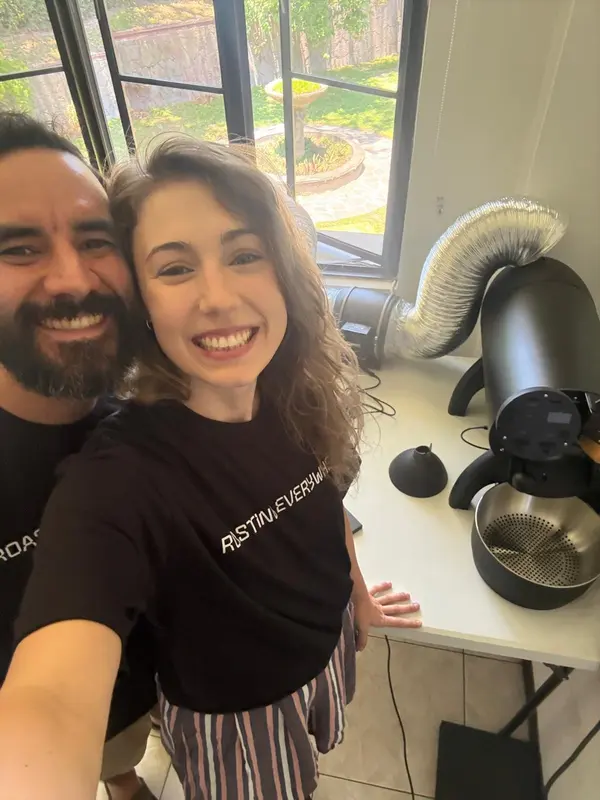
By Joanna. An engineer before she was a roaster, with years at Ikawa behind her. She measures a roast and writes it down so she can do it again on purpose. How the coffee tastes once it is in the drum is hers.
A yellow 250g bag and a brew you made yourself. Every step before it was ours, so if anything is off, we know exactly which link to check. Ask us anything; the answer is one of us.
Direct trade usually means a roaster who once visited a farm. This is shorter: the producer, the exporter and the roaster share one table. You cannot get more direct than that.
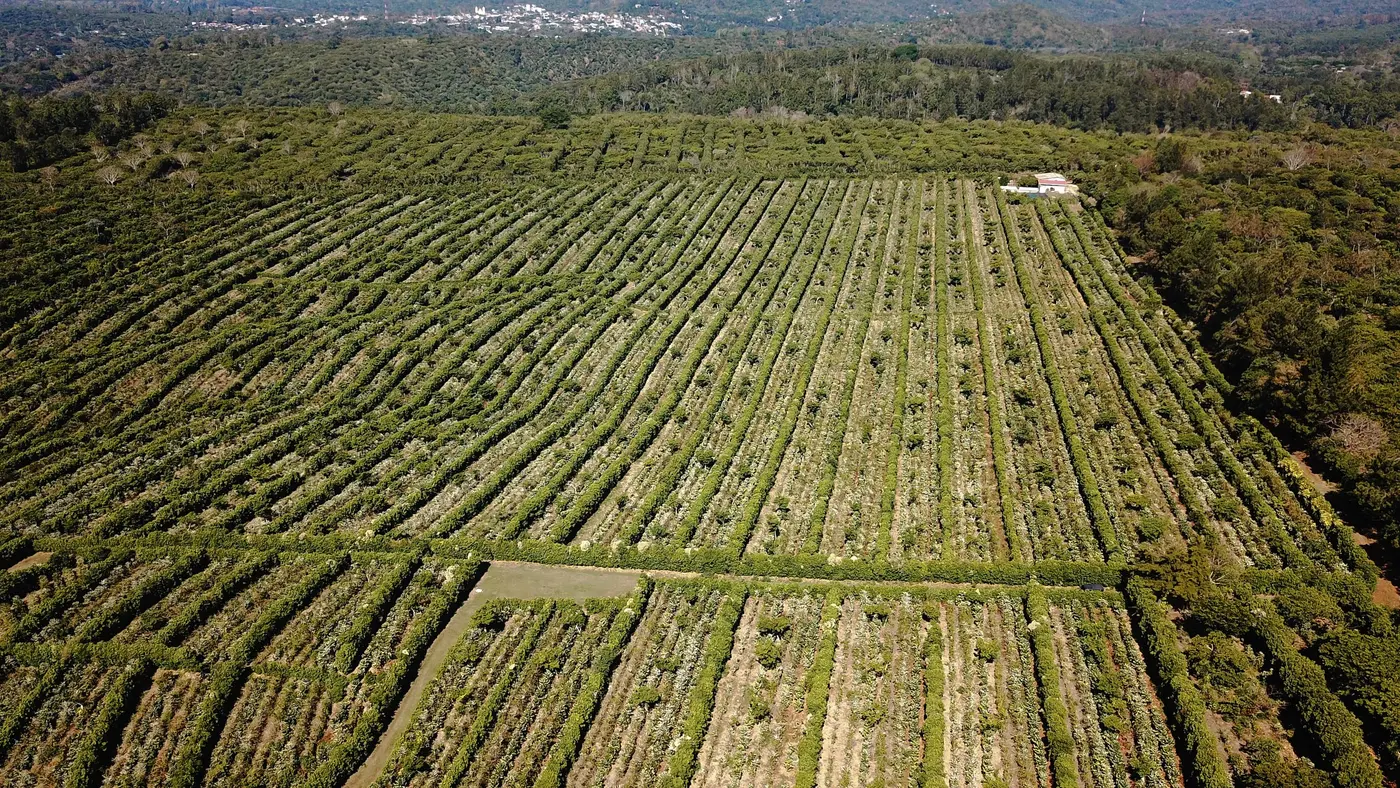
Pacas and Pacamaras out, Marsellesa in, all twenty-one cultivated hectares of it. Specialty did not respect the variety then. But rust and a changing climate were already visible from where we stood, and at 1,050 metres this close to the equator the old trees were not going to hold. The seed came direct from ECOM CRIAD in Nicaragua, and then more than a decade of in-house selection, keeping only what cupped and yielded. The industry came around years later.
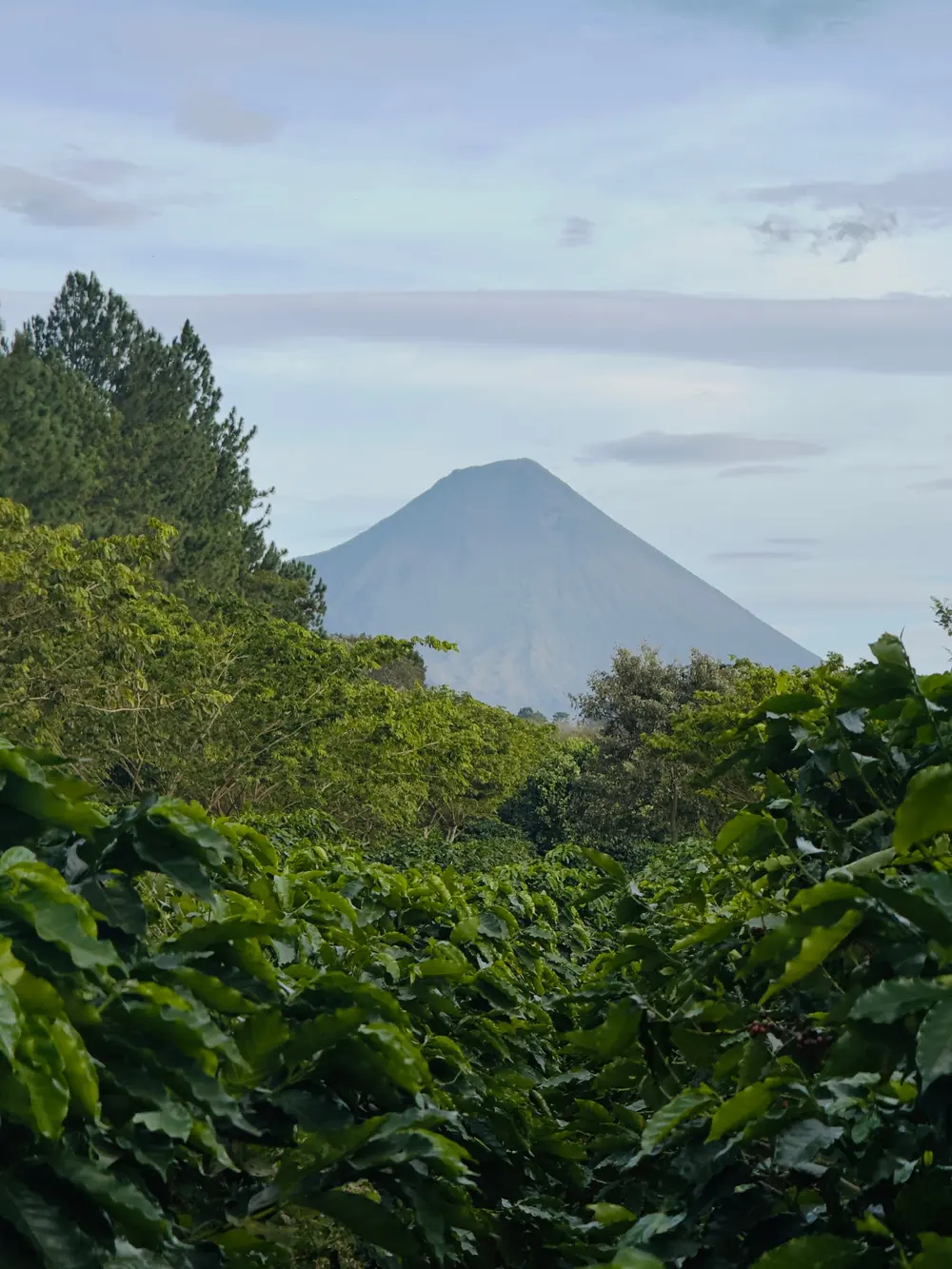
The farm is in San José de la Majada, Sonsonate. Flat, volcanic Andisol, forty per cent shade to sixty per cent sun, no herbicides and no pesticides.
The cherries dry whole. At the start they are just turned for an even dry, three times a day, with no numbers yet. As the dry closes in, that becomes an hourly check on the coffee's own temperature, plus three humidity readings a day. Dull work, and the only reason we can make this taste the same again next year.